Implementation, Consulting, Auditing & Certification at one place . We focus on taking your business to new heights.


ISO 37001 Certification in Somalia helps organizations establish a structured Anti-Bribery Management System (ABMS) to identify bribery risks, strengthen business controls, and demonstrate their commitment to ethical operations. B2BCERT supports businesses with risk assessment, system implementation, documentation, and certification audit preparation. This service is relevant to companies managing procurement, construction contracts, imports, logistics, telecommunications, supplier relationships, and other transactions where third-party conduct can affect business integrity.
ISO 37001 provides a framework for preventing, detecting, and responding to bribery within an organization and its relevant business relationships. Certification involves assessing whether the anti-bribery management system meets the applicable standard requirements and operates effectively.
For organizations in Somalia, the system should reflect actual business activities rather than rely on a generic policy. Controls may cover contract approvals, supplier selection, payments, gifts and hospitality, conflicts of interest, reporting channels, and escalation procedures. Management must define responsibilities and ensure that employees understand how to apply the controls.
ISO 37001 does not guarantee that bribery will never occur. It provides a systematic approach to managing risk, responding to concerns, and improving controls. B2BCERT helps organizations prepare this system for independent assessment by a certification body.
ISO 37001 Consultants in Somalia help organizations identify where bribery risks may arise and determine which controls are appropriate to their operations. The review considers business structure, transaction types, third-party relationships, decision-making authority, and existing compliance procedures.
Consulting support may include:
The outcome should be a practical system that fits the organization’s size and risk exposure. A smaller company may need clear approval and reporting procedures, while a business with several locations or extensive intermediary relationships may require more detailed oversight.
ISO 37001 implementation in Somalia begins with defining the management system’s scope and assessing the organization’s exposure to bribery. Management then establishes the policy, assigns responsibilities, and selects controls based on the identified risks.
Procurement and contract management deserve particular attention where organizations work with suppliers, construction contractors, logistics providers, import intermediaries, or external representatives. The process should establish how vendors are assessed, who approves commercial arrangements, how payments are verified, and when concerns must be escalated.
Implementation commonly includes:
B2BCERT supports these activities through implementation guidance and documentation. The system should be based on the organization’s actual activities and evidence, not simply on policies prepared for an audit.
Organizations operating in Somalia may need to consider bribery risks within tendering, subcontracting, supplier selection, import-related transactions, and arrangements with agents or intermediaries. The level of exposure varies by organization, sector, contract type, and operating model, so the risk assessment should avoid treating every business as having the same vulnerabilities.
Practical controls can include verifying third-party information, recording the reasons for supplier selection, documenting contract approvals, checking invoices against agreed terms, and reviewing unusual payment requests. Employees should know how to report suspected misconduct without bypassing established procedures.
For businesses working across different locations or relying on external representatives, responsibilities should be clear: who performs due diligence, who approves transactions, and who investigates concerns. These defined responsibilities make the anti-bribery system easier to monitor and demonstrate during an assessment.
An ISO 37001 audit examines whether the organization’s anti-bribery management system meets the standard’s requirements and is implemented in practice. Preparation involves more than collecting policies; the organization must be able to show how its procedures operate.
Relevant evidence may include:
Internal reviews can help identify missing evidence, unclear responsibilities, or controls that employees do not consistently follow. Any identified nonconformities should be addressed through documented corrective action.
B2BCERT provides audit-readiness support, including documentation review and guidance on addressing gaps. The independent certification body conducts the certification assessment and makes the certification decision; B2BCERT does not issue the certificate.
The ISO 37001 anti bribery certification cost in Somalia depends on the organization’s size, operational complexity, number of locations, risk profile, existing controls, and level of implementation work required. A business with established compliance procedures may need less preparation than one building its anti-bribery management system from the beginning.
Costs may include consulting, employee training, documentation development, internal audit support, and certification-body fees. The certification body’s assessment charges are separate from B2BCERT’s consulting fees. The scope of certification and the time needed to address gaps can also affect the overall budget.
Organizations should request a scope-based estimate after reviewing their activities and current systems rather than rely on a fixed price that may not reflect their requirements.
Certification is not the end of the compliance process. Organizations need to review risks when they enter new business relationships, change procurement arrangements, expand operations, or introduce new intermediaries. Due diligence, employee awareness, reporting procedures, and corrective actions should remain active.
Management reviews and internal audits help determine whether controls continue to work as intended. Where an incident or control failure occurs, the organization should investigate it appropriately, address the cause, and assess whether existing procedures need revision.
B2BCERT supports organizations seeking ISO 37001 Certification in Somalia through gap assessment, bribery risk evaluation, ABMS documentation, implementation guidance, employee awareness, and audit preparation. The work is tailored to the organization’s activities, third-party relationships, and existing controls.
For companies preparing for certification, B2BCERT can help clarify the required steps, identify areas needing improvement, and organize the evidence needed for independent assessment. Contact B2BCERT to discuss your organization’s scope and obtain guidance on the appropriate implementation and certification process.
ISO 37001 Certification in Somalia is a globally recognized standard that demonstrates an organization’s commitment to preventing bribery and maintaining effective anti-bribery management systems.
Organizations in Somalia that want to demonstrate their commitment to preventing bribery and maintaining ethical business practices may seek ISO 37001 Certification.
ISO 37001 Certification in Somalia is that it can enhance an organization’s reputation, demonstrating to stakeholders and clients that it has implemented effective anti-bribery measures, which can lead to increased trust and business opportunities.
ISO 37001 Certification cost in Somalia can vary widely depending on the size and complexity of the organization, the scope of the Certification, and the chosen Certification body. It is best to obtain quotes from accredited Certification bodies in your area to determine the specific cost for your organization.
For ISO 37001 Implementation in Somalia, an organization must meet certain requirements. From there, they must get audited and inspected by a certified team to ensure that they are compliant with the standard before they can receive their Certification.


































B2BCERT is a Solutions & Service organization, specialized in management consulting, Trainings, Assessments, Certification & Managed Services

MOST SEARCHED ON B2BCERT: ISO 9001 Certification | CE Certification | ISO 22000 Certification | NEMA Certification | ISO 27701 Certification | ISO 27032 Certification | ISO 22483 Certification | REACH Certification | ISO 22301 Certification | ISO 42001 Certification | ISO 41001 Certification | ISO 21001 Certification | ISO 15189 Certification | GMP Certification | GDPR Certification | GDP Certification | GLP Certification | HIPAA Certification | PCI DSS Certification | SOC 1 Certification | KOSHER Certification | NEMA Certification | Certificate of Conformity | GACP Certification | FSSC 22000 Certification | OHSAS 18001 Certification | HACCP Certification | SA 8000 Certification | SOC 2 Certification | VAPT Certification | ROHS Certification | BIFMA Certification | FCC Certification | HALAL Certification
ISO CERTIFICATIONS: ISO 9001 Certification | ISO 14001 Certification | ISO 45001 Certification | ISO 22000 Certification | ISO 27001 Certification | ISO 13485 Certification | ISO 17025 Certification | ISO 27701 Certification | ISO 20000-1 Certification | ISO 27032 Certification | ISO 22483 Certification | ISO 26000 Certification | ISO 22301 Certification | ISO 42001 Certification | ISO 27017 Certification | ISO 27018 Certification | ISO 50001 Certification | ISO 27014 Certification | ISO 29990 Certification | ISO 37001 Certification | ISO 41001 Certification | ISO 21001 Certification | ISO 55001 Certification | ISO 28000 Certification | ISO 22716 Certification | ISO 15189 Certification | ISO 41001 Certification
PRODUCT CERTIFICATIONS: FSSC 22000 Certification | OHSAS 18001 Certification | HACCP Certification | SA 8000 Certification | GMP Certification | GDPR Certification | GDP Certification | GLP Certification | HIPAA Certification | PCI DSS Certification | SOC 1 Certification | SOC 2 Certification | VAPT Certification | CE Certification | ROHS Certification | BIFMA Certification | FCC Certification | HALAL Certification | KOSHER Certification | NEMA Certification | REACH Certification | Certificate of Conformity | GHP Certification | Free Sale Certification | FDA Certification | GACP Certification
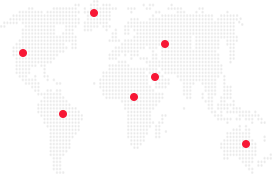
WHAT IS B2BCERT: B2BCERT is one of the leading service providers for International recognized standards and Management solutions for Business development, process Improvement, Consulting & Certification services for various International Standards like ISO 9001, ISO 14001, ISO 45001, ISO 22000, ISO 27001, ISO 20000, CE Marking, HACCP & many more. B2BCERT works on the values of trust, fairness & genuine respect for our customers, employees, and business partners.B2BCERT provides internationally recognized standards and management solutions, specializing in ISO and related certification services. Headquartered in Bangalore, India, we have a global presence in the Middle East and Africa. Our team of 30+ professionals ensures tailored solutions by partnering with leading certification firms.
B2BCERT Serves In: India | Nepal | Singapore | Afghanistan | Philippines | Malaysia | Jordan | Turkey | Sri Lanka | Saudi Arabia | Oman | UAE | Kuwait | Yemen | Qatar | Lebanon | Iran | Iraq | Bahrain | South Africa | Egypt | Nigeria | Kenya | Ghana | Tanzania | Zimbabwe | Cameroon | Uganda | USA | UK | Germany | Australia | New Zealand | Canada | Italy | Botswana | Brunei | Cambodia |
Service providing Sectors: Information Security | Manufacturing | Software Companies | Pharmaceuticals | Architecture | Construction | Food & Beverages | News & media | Science & Biotechnology | Electronics Industry | Telecommunications | Hospitals | Import & Export Businesses | Schools & Colleges | Textile Industries | Banks | Aerospace Manufacturing | Hotels & Restaurants | Organic Products | Mining & Renewable Business | Real Estate Business | Public Administration | Wholesale Trade | Supply Chain Management | Agrochemicals | Government Services | Electricity | Regulatory Agencies | Fitness and Wellness | Property Management | Rental Services | Warehousing | Delivery Services | Stores and Shops | IT Support | Event Planning | Consulting | Financial Advisory |
WHY B2BCERT: 1. Expertise Across Standards: B2BCERT is a leader in providing comprehensive solutions for a wide range of international standards, including ISO 9001, ISO 14001, ISO 45001, ISO 22000, ISO 27001, ISO 20000, CE Marking, and HACCP. Our deep knowledge ensures that your business meets and exceeds industry benchmarks with confidence. 2. Tailored Solutions: We understand that every organization is unique. B2BCERT offers customized consulting and certification services designed to fit your specific needs and objectives. Our team works closely with you to develop strategies that enhance your business processes and meet regulatory requirements.3. Global Presence: With headquarters in Bangalore, India, and a strong foothold in the Middle East and Africa, B2BCERT combines local expertise with a global perspective. Our international reach allows us to provide consistent, high-quality service wherever you operate.4. Trusted Partners: We collaborate with leading certification firms to offer you the best possible service. Our established relationships with top certification bodies ensure that you receive credible and widely recognized certifications that enhance your business’s reputation.5. Commitment to Values: At B2BCERT, our core values of trust, fairness, and respect drive everything we do. We are dedicated to building lasting relationships based on integrity and genuine respect for our clients, employees, and partners.6. Professional Team: Our team of over 30 skilled professionals brings a wealth of experience and dedication to every project. We are committed to delivering excellence and supporting you through every step of your certification journey.7. Comprehensive Support: From initial consultation to certification and beyond, B2BCERT provides end-to-end support. We are here to guide you through the complexities of compliance and help you achieve your business goals efficiently and effectively.


