
Implementation, Consulting, Auditing & Certification at one place . We focus on taking your business to new heights.


Cloud computing has become an essential part of modern business operations in Brazil. Organizations depend on cloud platforms to manage customer information, operate business applications, store confidential documents, and deliver digital services. While cloud technology improves accessibility and operational flexibility, it also introduces security challenges involving unauthorized access, data exposure, insecure configurations, and third-party service providers.
ISO 27017 Certification in Brazil is a common search term for organizations looking to improve cloud security through internationally recognized information security guidance. ISO/IEC 27017 provides cloud-specific security controls and implementation guidance based on ISO/IEC 27002. It helps cloud service providers and customers understand their responsibilities and establish appropriate measures for protecting information in cloud environments.
B2BCERT provides ISO 27017 consulting and implementation support to organizations seeking to strengthen their cloud security practices. Our services cover gap assessment, documentation guidance, cloud security risk assessment, control implementation support, employee awareness, and audit preparation. We help businesses understand their requirements and develop a structured approach based on their cloud infrastructure and operational objectives.
ISO/IEC 27017 is an international standard that provides additional information security controls and guidance specifically for cloud computing services. It addresses security considerations associated with providing and using cloud-based solutions.
One important aspect of cloud security is the division of responsibilities between service providers and customers. A cloud provider may manage physical infrastructure, platform availability, and certain technical security measures, while the customer may remain responsible for user permissions, application configurations, and information access.
Without clearly defined responsibilities, security gaps can develop even when organizations use established cloud providers.
ISO 27017 helps organizations address these challenges through cloud-specific guidance covering areas such as:
The second edition, ISO/IEC 27017:2026, was published on July 27, 2026. Organizations planning new implementations or reviewing existing cloud security arrangements should consider the current edition and assess the relevance of their existing controls.
Brazil has a diverse digital economy supported by financial services, e-commerce, software development, healthcare technology, manufacturing, and IT services. Many organizations in these industries use external cloud platforms to manage business-critical information.
For example, a Brazilian SaaS provider may store customer information through cloud infrastructure, while an e-commerce company may use cloud applications to manage transactions, customer accounts, and operational records. A healthcare technology organization may depend on cloud systems to support digital applications containing sensitive information.
Each environment introduces different security responsibilities and operational risks.
ISO 27017 can help these organizations improve their approach to:
Cloud data protection: Establishing suitable practices for protecting business and customer information stored or processed through cloud services.
Access management: Reviewing user permissions, privileged access, and authentication arrangements.
Cloud supplier relationships: Understanding service provider responsibilities and reviewing contractual security arrangements.
Security monitoring: Improving visibility into cloud activities and identifying suspicious events.
Incident management: Defining responsibilities for reporting, investigating, and responding to security incidents.
Business continuity: Reviewing backup, recovery, and service availability arrangements.
Brazil ‘s Lei Geral de Proteção de Dados Pessoais (LGPD) establishes requirements concerning the processing and protection of personal information.
Organizations using cloud services to process personal data should consider how their cloud security arrangements support their wider privacy and information protection obligations.
Relevant considerations include:
The ANPD’s international data transfer regulation, including Resolution CD/ANPD No. 19/2024, is particularly relevant when personal data is transferred outside Brazil.
ISO 27017 can support appropriate cloud information security practices, but implementing the standard does not automatically establish LGPD compliance. Organizations should assess their privacy and regulatory obligations separately.
Successful ISO 27017 Implementation in Brazil requires more than preparing security policies. Organizations must understand their cloud infrastructure, identify relevant risks, assign responsibilities, and implement suitable controls.
B2BCERT provides consulting guidance through the following implementation activities.
The first step is identifying the cloud services used by the organization.
This may include:
The organization should identify which services process important business information and determine the boundaries of its cloud security assessment.
Expected output: A defined cloud service scope and an overview of relevant cloud assets and responsibilities.
The gap assessment examines existing cloud security practices against the applicable ISO 27017 guidance.
The review may cover access management, supplier relationships, cloud configurations, information protection, security monitoring, and incident management.
For example, a company may discover that it has no documented process for reviewing administrator access or that responsibilities between its cloud provider and internal IT team are unclear.
These findings help establish priorities for improvement.
Expected output: A gap assessment report highlighting identified weaknesses, improvement priorities, and recommended actions.
Organizations should identify potential risks affecting their cloud environments.
Examples include unauthorized access, insecure application configurations, accidental information exposure, service interruptions, supplier-related incidents, and insufficient backup arrangements.
Each identified risk should be evaluated according to its potential business impact and likelihood.
Expected output: Cloud security risk records, treatment recommendations, and assigned responsibilities.
Appropriate documentation helps establish consistent cloud security practices.
Depending on the organization’s scope, relevant documents may include:
Expected output: Documented policies, procedures, responsibilities, and supporting evidence relevant to the organization’s cloud environment.
After identifying the gaps, the organization should implement appropriate security measures.
For example, an organization may need to review privileged account permissions, strengthen authentication practices, improve cloud activity monitoring, or establish procedures for managing cloud supplier security responsibilities.
The selected controls should reflect the applicable standard guidance and the organization’s actual cloud risks.
Expected output: Implemented security measures and evidence showing how relevant controls operate.
Employees and technical teams should understand their responsibilities when accessing and managing cloud services.
Training may address secure information handling, access permissions, incident reporting, administrator responsibilities, and internal security procedures.
Expected output: Awareness materials, training records, and clearer employee security responsibilities.
Before an independent assessment, the organization should review its implementation progress and supporting evidence.
Identified weaknesses should be addressed through corrective actions. Relevant employees should also be prepared to explain their responsibilities and demonstrate applicable procedures.
Expected output: Internal review findings, corrective action records, and assessment preparation evidence.
An ISO 27017 Audit in Brazil generally involves evaluating cloud security practices and supporting evidence against the applicable assessment criteria.
The assessment may include:
Organizations should understand the intended assessment outcome before engaging an external provider.
An important distinction is that ISO/IEC 27017 is a guidance and control standard rather than a standalone ISMS requirements standard equivalent to ISO/IEC 27001. Businesses should verify whether the proposed service involves implementation support, an independent control assessment, or a specific conformity scheme. They should also check the provider’s accreditation claims and the actual scope of any certificate or assessment statement.
The ISO 27017 Cost in Brazil depends on the organization’s cloud infrastructure, existing information security practices, and consulting requirements.
There is no universal implementation price for every business.
Important cost factors include:
Businesses should request a detailed quotation that clearly separates consulting fees, internal implementation expenses, technical improvements, and independent assessment charges.
B2BCERT can discuss the organization’s requirements and help identify suitable consulting support based on its proposed implementation scope.
During cloud security reviews, businesses may identify weaknesses that require improvement.
Some common examples include:
Identifying these issues early helps organizations prioritize improvements and develop more reliable cloud security practices.
B2BCERT is an international management consulting and certification support organization headquartered in Bangalore, India. The company provides consulting, training, implementation, assessment support, and certification-related services across various international management standards.
For organizations exploring ISO 27017 Services in Brazil, B2BCERT provides consulting assistance based on their cloud security requirements and operational objectives.
Our support can cover:
Organizations looking for ISO 27017 Consultants in Brazil can discuss their existing cloud environment, implementation priorities, and information security objectives with our team.
Our approach focuses on understanding business requirements and helping organizations develop practical security arrangements rather than relying on generic documentation.
B2BCERT provides consulting and implementation support separately from the independent certification or assessment decision. Any formal conformity outcome should be verified with the relevant independent provider.
Cloud security is an ongoing business responsibility that requires clear security policies, appropriate access management, supplier oversight, risk assessment, and regular monitoring.
ISO 27017 provides useful guidance for organizations that want to improve how they manage information security across cloud services.
Whether you operate a SaaS business, provide cloud infrastructure, manage IT services, or use external cloud applications, establishing suitable cloud security practices can help protect business information and strengthen customer confidence.
Contact B2BCERT to discuss your ISO 27017 Implementation requirements in Brazil , cloud security gap assessment, documentation support, and audit preparation.
Take a practical step towards better cloud security with an implementation approach aligned with your organization’s business and technology requirements.
ISO 27017 Certification in Brazil offers several benefits for organizations. These include enhanced cloud security, improved customer trust, compliance with legal and regulatory requirements, and effective risk mitigation strategies.
Any organization that stores, processes, or transmits data in the cloud can benefit from ISO 27017 Certification in Brazil. This includes businesses of all sizes and across various industries, such as healthcare, finance, e-commerce, and more.
The time required to obtain ISO 27017 Certification in Brazil depends on several factors, including the organization’s size, complexity of its cloud infrastructure, and its existing security practices. On average, the certification process can take several months, involving an initial gap analysis, implementation of necessary controls, and a final Audit by a certified ISO 27017 Audit ors in Brazil.
Yes, ISO 27017 Certification can be integrated with other related standards, such as ISO 27001 (Information Security Management System) and ISO 27018 (Cloud Privacy). This integration ensures a holistic approach to information security and cloud management within an organization.
Yes, ISO 27017 is applicable to all types of cloud services, including Software-as-a-Service (SaaS), Platform-as-a-Service (PaaS), and Infrastructure-as-a-Service (IaaS). The standard provides guidance that can be tailored to the specific cloud environment used by organizations in Brazil.
The time required for ISO 27017 implementation in Brazil depends on various factors, such as the size and complexity of the organization’s cloud infrastructure, existing security measures, and resources allocated to the implementation process. Generally, the implementation process can take several months, involving risk assessments, policy development, employee training, and the establishment of security controls.
ISO 27017 Certification Audit in Brazil are typically conducted by qualified third-party Audit ors who specialize in information security management and cloud security. These Audit ors possess the necessary expertise and knowledge to assess an organization’s cloud security practices against the requirements of the ISO 27017 standard.














































B2BCERT is a Solutions & Service organization, specialized in management consulting, Trainings, Assessments, Certification & Managed Services

MOST SEARCHED ON B2BCERT: ISO 9001 Certification | CE Certification | ISO 22000 Certification | NEMA Certification | ISO 27701 Certification | ISO 27032 Certification | ISO 22483 Certification | REACH Certification | ISO 22301 Certification | ISO 42001 Certification | ISO 41001 Certification | ISO 21001 Certification | ISO 15189 Certification | GMP Certification | GDPR Certification | GDP Certification | GLP Certification | HIPAA Certification | PCI DSS Certification | SOC 1 Certification | KOSHER Certification | NEMA Certification | Certificate of Conformity | GACP Certification | FSSC 22000 Certification | OHSAS 18001 Certification | HACCP Certification | SA 8000 Certification | SOC 2 Certification | VAPT Certification | ROHS Certification | BIFMA Certification | FCC Certification | HALAL Certification
ISO CERTIFICATIONS: ISO 9001 Certification | ISO 14001 Certification | ISO 45001 Certification | ISO 22000 Certification | ISO 27001 Certification | ISO 13485 Certification | ISO 17025 Certification | ISO 27701 Certification | ISO 20000-1 Certification | ISO 27032 Certification | ISO 22483 Certification | ISO 26000 Certification | ISO 22301 Certification | ISO 42001 Certification | ISO 27017 Certification | ISO 27018 Certification | ISO 50001 Certification | ISO 27014 Certification | ISO 29990 Certification | ISO 37001 Certification | ISO 41001 Certification | ISO 21001 Certification | ISO 55001 Certification | ISO 28000 Certification | ISO 22716 Certification | ISO 15189 Certification | ISO 41001 Certification
PRODUCT CERTIFICATIONS: FSSC 22000 Certification | OHSAS 18001 Certification | HACCP Certification | SA 8000 Certification | GMP Certification | GDPR Certification | GDP Certification | GLP Certification | HIPAA Certification | PCI DSS Certification | SOC 1 Certification | SOC 2 Certification | VAPT Certification | CE Certification | ROHS Certification | BIFMA Certification | FCC Certification | HALAL Certification | KOSHER Certification | NEMA Certification | REACH Certification | Certificate of Conformity | GHP Certification | Free Sale Certification | FDA Certification | GACP Certification
WHAT IS B2BCERT: B2BCERT is one of the leading service providers for International recognized standards and Management solutions for Business development, process Improvement, Consulting & Certification services for various International Standards like ISO 9001, ISO 14001, ISO 45001, ISO 22000, ISO 27001, ISO 20000, CE Marking, HACCP & many more. B2BCERT works on the values of trust, fairness & genuine respect for our customers, employees, and business partners.B2BCERT provides internationally recognized standards and management solutions, specializing in ISO and related certification services. Headquartered in Bangalore, India, we have a global presence in the Middle East and Africa. Our team of 30+ professionals ensures tailored solutions by partnering with leading certification firms.
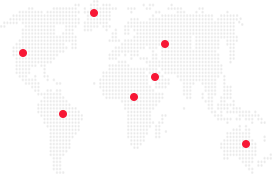
B2BCERT Serves In: India | Nepal | Singapore | Afghanistan | Philippines | Malaysia | Jordan | Turkey | Sri Lanka | Saudi Arabia | Oman | UAE | Kuwait | Yemen | Qatar | Lebanon | Iran | Iraq | Bahrain | South Africa | Egypt | Nigeria | Kenya | Ghana | Tanzania | Zimbabwe | Cameroon | Uganda | USA | UK | Germany | Australia | New Zealand | Canada | Italy | Botswana | Brunei | Cambodia |
Service providing Sectors: Information Security | Manufacturing | Software Companies | Pharmaceuticals | Architecture | Construction | Food & Beverages | News & media | Science & Biotechnology | Electronics Industry | Telecommunications | Hospitals | Import & Export Businesses | Schools & Colleges | Textile Industries | Banks | Aerospace Manufacturing | Hotels & Restaurants | Organic Products | Mining & Renewable Business | Real Estate Business | Public Administration | Wholesale Trade | Supply Chain Management | Agrochemicals | Government Services | Electricity | Regulatory Agencies | Fitness and Wellness | Property Management | Rental Services | Warehousing | Delivery Services | Stores and Shops | IT Support | Event Planning | Consulting | Financial Advisory |
WHY B2BCERT: 1. Expertise Across Standards: B2BCERT is a leader in providing comprehensive solutions for a wide range of international standards, including ISO 9001, ISO 14001, ISO 45001, ISO 22000, ISO 27001, ISO 20000, CE Marking, and HACCP. Our deep knowledge ensures that your business meets and exceeds industry benchmarks with confidence. 2. Tailored Solutions: We understand that every organization is unique. B2BCERT offers customized consulting and certification services designed to fit your specific needs and objectives. Our team works closely with you to develop strategies that enhance your business processes and meet regulatory requirements.3. Global Presence: With headquarters in Bangalore, India, and a strong foothold in the Middle East and Africa, B2BCERT combines local expertise with a global perspective. Our international reach allows us to provide consistent, high-quality service wherever you operate.4. Trusted Partners: We collaborate with leading certification firms to offer you the best possible service. Our established relationships with top certification bodies ensure that you receive credible and widely recognized certifications that enhance your business’s reputation.5. Commitment to Values: At B2BCERT, our core values of trust, fairness, and respect drive everything we do. We are dedicated to building lasting relationships based on integrity and genuine respect for our clients, employees, and partners.6. Professional Team: Our team of over 30 skilled professionals brings a wealth of experience and dedication to every project. We are committed to delivering excellence and supporting you through every step of your certification journey.7. Comprehensive Support: From initial consultation to certification and beyond, B2BCERT provides end-to-end support. We are here to guide you through the complexities of compliance and help you achieve your business goals efficiently and effectively.


