Implementation, Consulting, Auditing & Certification at one place . We focus on taking your business to new heights.


GDPR certification in South Africa refers to a process in which an organization undergoes an assessment to demonstrate compliance with the requirements of the General Data Protection Regulation in South Africa. However, it is important to note that there is no specific GDPR certification in South Africa provided or mandated by the European Union.
The GDPR stands for General Data Protection Regulation. It is a comprehensive data protection law that was introduced by the European Union (EU) in 2018. The GDPR replaced the Data Protection Directive and aims to strengthen and harmonize data protection regulations across EU member states.
Instead, organizations can obtain certifications or seals from independent certification bodies or data protection authorities that attest to their compliance with the GDPR in South Africa. These certifications can help organizations demonstrate their commitment to data protection and build trust with their customers and partners.
Certifications or seals may vary depending on the certification body or authority issuing them. They typically involve a comprehensive evaluation of the organization’s data protection practices, policies, and procedures, ensuring that they align with the principles and requirements outlined in the GDPR in South Africa. This evaluation may include assessments of data processing activities, data security measures, consent management, data subject rights, and other relevant aspects of data protection.
By obtaining a GDPR certification in South Africa, organizations can showcase their compliance efforts and signal their dedication to protecting personal data, which can be valuable in building customer confidence and meeting contractual or legal obligations related to data protection.
However, there are certifications and seals provided by independent certification bodies and data protection authorities that can demonstrate an organization’s compliance with the GDPR in South Africa.
If you are interested in obtaining a certification to showcase your organization’s commitment to GDPR compliance in South Africa, you can consider the following steps:
Remember, the specific steps and requirements may vary depending on the certification body or authority you choose. It is advisable to consult with professionals who specialize in data protection and GDPR compliance in South Africa to ensure a smooth certification process.
The specific requirements for obtaining such certifications may vary depending on the certification body or authority. However, I can provide you with a general overview of the typical requirements involved in the certification process:
It is important to note that these requirements are not exhaustive, and the certification process may involve additional specific criteria set by the chosen certification body or authority. It is advisable to consult with the certification body or a data protection professional to understand the specific requirements for the certification you are seeking.
The cost of GDPR certification in South Africa can vary significantly depending on several factors, including the certification body or data protection authority issuing the certification, the size and complexity of the organization, the scope of the certification, and the specific requirements for certification.
Since there is no official GDPR certification issued by the European Union, organizations typically seek certifications or seals from independent certification bodies or data protection authorities. These bodies set their own pricing structures based on their services and expertise.
The cost may include various components such as Application and Assessment Fees, Consultancy or Expert Fees, Internal Resources, Maintenance and Renewal Fees. Given the variability of costs associated with GDPR certification in South Africa, it is recommended to reach out to certification bodies, data protection authorities, or data protection consultants to obtain specific pricing information based on your organization’s needs and requirements.
Implementing the General Data Protection Regulation (GDPR) within an organization involves a series of steps to ensure compliance with the requirements of the regulation. Here is a general outline of the key aspects involved in GDPR implementation in South Africa:
It is important to note that GDPR implementation can be complex and may vary depending on the organization’s size, nature of operations, and the types of personal data processed. Seeking legal counsel or consulting with data protection experts can provide valuable guidance tailored to your organization’s specific needs.
Obtaining a GDPR certification in South Africa or seal can provide several benefits for organizations. While there is no official GDPR certification issued by the European Union, organizations can pursue certifications or seals from independent certification bodies or data protection authorities to demonstrate their compliance with the GDPR. Here are some potential benefits of GDPR certification in South Africa:
It’s important to note that while GDPR certification in South Africa offers benefits, it does not guarantee absolute data security or immunity from data breaches or regulatory actions. It should be seen as part of a broader data protection strategy and ongoing commitment to compliance.
Any organization that collects, processes, or stores personal data of individuals residing in the European Union (EU) can be eligible for GDPR certification in South Africa. The GDPR applies to both EU-based companies and non-EU companies that offer goods or services to individuals in the EU or monitor their behaviour.
Eligible companies can include, EU-Based Companies and Non-EU Companies. EU-Based Companies that Organizations established within the EU that handle personal data are subject to the GDPR and can pursue GDPR certification to demonstrate their compliance.
Non-EU based Companies outside the EU that process personal data of individuals residing in the EU may be subject to the GDPR if they meet certain criteria. This includes offering goods or services to EU residents (even if free of charge) or monitoring their behaviour (e.g., through tracking cookies, profiling, or targeted advertising). Non-EU companies in these categories can also seek GDPR certification in South Africa.
A GDPR audit is a comprehensive assessment of an organization’s data protection practices, policies, and procedures to evaluate its compliance with the General Data Protection Regulation (GDPR). The exact process may vary depending on the scope and requirements of the audit, but here is a general outline of the steps involved in a GDPR audit in South Africa:
It is important to note that a GDPR audit in South Africa can be complex, and organizations may seek the assistance of data protection experts or consultants to conduct the audit effectively. Additionally, the audit process should be tailored to the specific needs and circumstances of the organization to ensure a thorough assessment of its GDPR compliance in South Africa.
You can reach out Top 10 GDPR Consultants in South Africa. GDPR consulting refers to the services provided by experts in data protection and privacy regulations, who assist organizations in achieving compliance with the General Data Protection Regulation (GDPR). GDPR consultants in South Africa offer guidance, expertise, and support throughout the process of understanding, implementing, and maintaining GDPR requirements in South Africa. Here are some of the key areas where GDPR consultants in South Africa can provide assistance:
When seeking GDPR consulting services in South Africa, it is important to carefully select consultants with relevant expertise, industry experience, and a proven track record of successfully assisting organizations with GDPR compliance in South Africa. It is also recommended to clearly define the scope of work, deliverables, and pricing agreements before engaging the services of a GDPR consultant in South Africa.
The General Data Protection Regulation (GDPR) applies to all companies processing the personal data of people in the EU, regardless of the company’s location. Compliance with this regulation has been in effect since 25 May 2018.
Any individual or organization that stores or processes personal information on an identifiable person from an EU member state (regardless if the processing or storage of information occurs in the EU or not) are affected by GDPR. GDPR rules also applies if the individual or organization themselves is located in an EU member state.
You can reach out Top 10 GDPR Consultants in South Africa. GDPR consulting refers to the services provided by experts in data protection and privacy regulations, who assist organizations in achieving compliance with the General Data Protection Regulation (GDPR).
GDPR auditing refers to the process of assessing an organization’s compliance with the General Data Protection Regulation (GDPR). An audit helps evaluate whether the organization’s data protection practices, policies, and procedures align with the requirements set forth in the GDPR.
Organizations can obtain certifications or seals from independent certification bodies or data protection authorities to demonstrate their compliance with the GDPR Certification in South Africa.
It’s important to note that achieving GDPR compliance is an ongoing process, and a certificate with a fixed validity period does not guarantee continuous compliance. Organizations are expected to maintain and regularly review their data protection practices to ensure ongoing compliance with the GDPR’s requirements.
GDPR stands for General Data Protection Regulation and it is not an ISO standard, ISO does have standards related to data protection and information security. ISO 27001:2013, for example, is an international standard for information security management systems (ISMS). Organizations can use ISO 27001 to establish and maintain a framework for managing security risks and protecting sensitive information, including personal data.





























B2BCERT is a Solutions & Service organization, specialized in management consulting, Trainings, Assessments, Certification & Managed Services

MOST SEARCHED ON B2BCERT: ISO 9001 Certification | CE Certification | ISO 22000 Certification | NEMA Certification | ISO 27701 Certification | ISO 27032 Certification | ISO 22483 Certification | REACH Certification | ISO 22301 Certification | ISO 42001 Certification | ISO 41001 Certification | ISO 21001 Certification | ISO 15189 Certification | GMP Certification | GDPR Certification | GDP Certification | GLP Certification | HIPAA Certification | PCI DSS Certification | SOC 1 Certification | KOSHER Certification | NEMA Certification | Certificate of Conformity | GACP Certification | FSSC 22000 Certification | OHSAS 18001 Certification | HACCP Certification | SA 8000 Certification | SOC 2 Certification | VAPT Certification | ROHS Certification | BIFMA Certification | FCC Certification | HALAL Certification
ISO CERTIFICATIONS: ISO 9001 Certification | ISO 14001 Certification | ISO 45001 Certification | ISO 22000 Certification | ISO 27001 Certification | ISO 13485 Certification | ISO 17025 Certification | ISO 27701 Certification | ISO 20000-1 Certification | ISO 27032 Certification | ISO 22483 Certification | ISO 26000 Certification | ISO 22301 Certification | ISO 42001 Certification | ISO 27017 Certification | ISO 27018 Certification | ISO 50001 Certification | ISO 27014 Certification | ISO 29990 Certification | ISO 37001 Certification | ISO 41001 Certification | ISO 21001 Certification | ISO 55001 Certification | ISO 28000 Certification | ISO 22716 Certification | ISO 15189 Certification | ISO 41001 Certification
PRODUCT CERTIFICATIONS: FSSC 22000 Certification | OHSAS 18001 Certification | HACCP Certification | SA 8000 Certification | GMP Certification | GDPR Certification | GDP Certification | GLP Certification | HIPAA Certification | PCI DSS Certification | SOC 1 Certification | SOC 2 Certification | VAPT Certification | CE Certification | ROHS Certification | BIFMA Certification | FCC Certification | HALAL Certification | KOSHER Certification | NEMA Certification | REACH Certification | Certificate of Conformity | GHP Certification | Free Sale Certification | FDA Certification | GACP Certification
WHAT IS B2BCERT: B2BCERT is one of the leading service providers for International recognized standards and Management solutions for Business development, process Improvement, Consulting & Certification services for various International Standards like ISO 9001, ISO 14001, ISO 45001, ISO 22000, ISO 27001, ISO 20000, CE Marking, HACCP & many more. B2BCERT works on the values of trust, fairness & genuine respect for our customers, employees, and business partners.B2BCERT provides internationally recognized standards and management solutions, specializing in ISO and related certification services. Headquartered in Bangalore, India, we have a global presence in the Middle East and Africa. Our team of 30+ professionals ensures tailored solutions by partnering with leading certification firms.
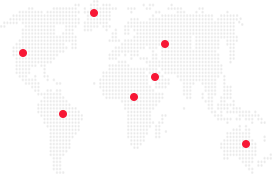
B2BCERT Serves In: India | Nepal | Singapore | Afghanistan | Philippines | Malaysia | Jordan | Turkey | Sri Lanka | Saudi Arabia | Oman | UAE | Kuwait | Yemen | Qatar | Lebanon | Iran | Iraq | Bahrain | South Africa | Egypt | Nigeria | Kenya | Ghana | Tanzania | Zimbabwe | Cameroon | Uganda | USA | UK | Germany | Australia | New Zealand | Canada | Italy | Botswana | Brunei | Cambodia |
Service providing Sectors: Information Security | Manufacturing | Software Companies | Pharmaceuticals | Architecture | Construction | Food & Beverages | News & media | Science & Biotechnology | Electronics Industry | Telecommunications | Hospitals | Import & Export Businesses | Schools & Colleges | Textile Industries | Banks | Aerospace Manufacturing | Hotels & Restaurants | Organic Products | Mining & Renewable Business | Real Estate Business | Public Administration | Wholesale Trade | Supply Chain Management | Agrochemicals | Government Services | Electricity | Regulatory Agencies | Fitness and Wellness | Property Management | Rental Services | Warehousing | Delivery Services | Stores and Shops | IT Support | Event Planning | Consulting | Financial Advisory |
WHY B2BCERT: 1. Expertise Across Standards: B2BCERT is a leader in providing comprehensive solutions for a wide range of international standards, including ISO 9001, ISO 14001, ISO 45001, ISO 22000, ISO 27001, ISO 20000, CE Marking, and HACCP. Our deep knowledge ensures that your business meets and exceeds industry benchmarks with confidence. 2. Tailored Solutions: We understand that every organization is unique. B2BCERT offers customized consulting and certification services designed to fit your specific needs and objectives. Our team works closely with you to develop strategies that enhance your business processes and meet regulatory requirements.3. Global Presence: With headquarters in Bangalore, India, and a strong foothold in the Middle East and Africa, B2BCERT combines local expertise with a global perspective. Our international reach allows us to provide consistent, high-quality service wherever you operate.4. Trusted Partners: We collaborate with leading certification firms to offer you the best possible service. Our established relationships with top certification bodies ensure that you receive credible and widely recognized certifications that enhance your business’s reputation.5. Commitment to Values: At B2BCERT, our core values of trust, fairness, and respect drive everything we do. We are dedicated to building lasting relationships based on integrity and genuine respect for our clients, employees, and partners.6. Professional Team: Our team of over 30 skilled professionals brings a wealth of experience and dedication to every project. We are committed to delivering excellence and supporting you through every step of your certification journey.7. Comprehensive Support: From initial consultation to certification and beyond, B2BCERT provides end-to-end support. We are here to guide you through the complexities of compliance and help you achieve your business goals efficiently and effectively.


